Contemporary business spaces growingly turn on digital solutions to create spaces that are both practical and engaging. Among the most useful methods for shaping these areas are networked sound systems. These platforms enable businesses to offer uniform and clear acoustics across commercial areas, offices, or guest environments. By deploying integrated audio technologies, companies can control ambient sound, notifications, and sound prompts from a centralized interface, ensuring every section of the environment maintains the optimal ambiance. The purposeful use of audio contributes to client comfort and satisfaction, which is essential for keeping clientele and promoting repeat visits.
Connected sound technologies also offer a key role in improving operational efficiency. For large commercial areas or multi-floor office buildings, controlling music directly can be cumbersome and variable. Networked platforms provide centralized control, allowing employees to adjust sound levels, schedule music selections, or transmit announcements quickly throughout multiple sections. This capability of control limits the need for ongoing intervention and guarantees that all areas get the consistent quality of sound. Businesses can also incorporate monitoring systems with these networks to monitor listening trends and optimize audio performance, additionally supporting the overall customer and team experience.
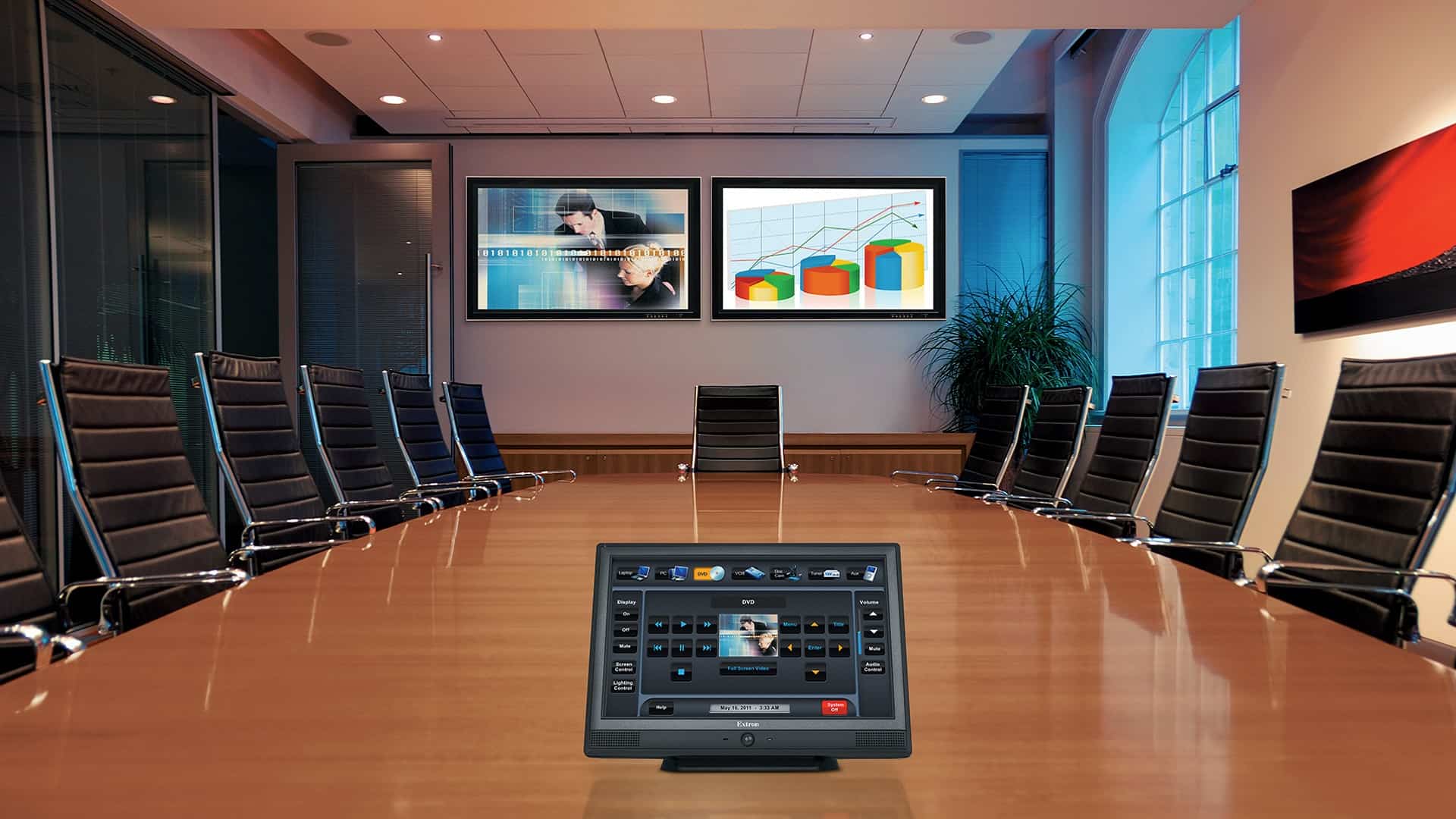
Another important element of connected acoustic solutions is their contribution to brand presence. Audio strategy is a powerful yet influential element that influences perception and interaction. Strategically designed audio tracks and sound prompts can reflect a brand’s personality, making the space appear inviting and refined. For instance, shops can use targeted music or rhythms to increase customer dwell time, while cafes can modify background music to enhance customer experiences. The standardization of acoustics in all sections of a organization supports maintain a integrated atmosphere that strengthens both marketing and functional objectives.
Security and usability are other advantages of connected acoustic systems in commercial environments. These systems can be integrated with emergency notification systems to deliver precise guidance during emergencies or urgent situations. Reliable sound visit this web-site coverage guarantees that every area of the space hears alerts simultaneously, reducing confusion and improving emergency response. Furthermore, sound networks can enable assistive features, such as spoken instructions or assisted listening alerts, enhancing the inclusivity of the space. Integrating these capabilities shows a dedication to both client satisfaction and standards.
Finally|Ultimately|In conclusion, investing in integrated audio technologies delivers lasting benefits for organizations. Beyond immediate enhancements to client satisfaction, these solutions provide scalability, reliability, and adjustability as retail areas change. Expanding or expanding audio networks can be implemented without disruptive downtime, and the capacity to adjust sound settings ensures that organizations can adapt efficiently to changing needs or expectations. media asset management solutions By leveraging modern audio solutions, organizations can develop inviting, efficient, and well-managed spaces that elevate both customer satisfaction and operational performance, positioning these systems an essential aspect of current retail planning.